
Brush Set Orders: Count Handles and Working Ends
For a makeup brush set order, count supplied handles separately from working ends and accessories. A double-ended brush is one physical tool with two ends, so a piece-count description needs an agreed definition. Create an illustrated contents list, match each tool to a packing position and approve the complete selling set before confirming its label.
A catalogue title gives a set a convenient name, but receiving staff need to know what they should actually count. This matters when a brush assortment includes different handle forms or more than one working end. The purchasing task for wholesale professional makeup brush sets is to turn the selected assortment into a clear, checkable inventory.
Use the selected set as the starting reference
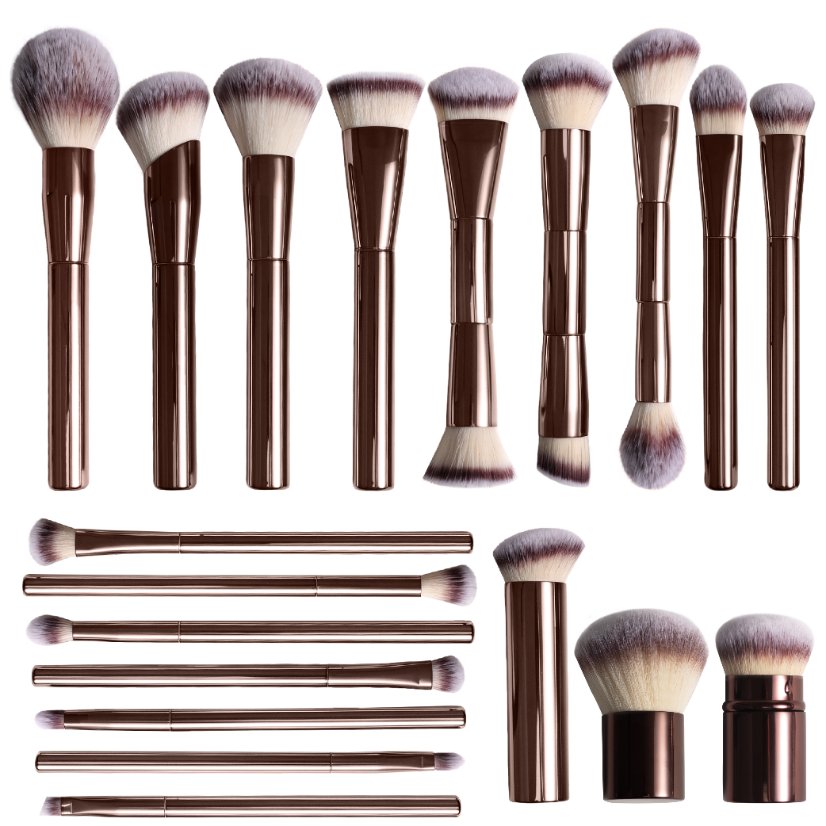
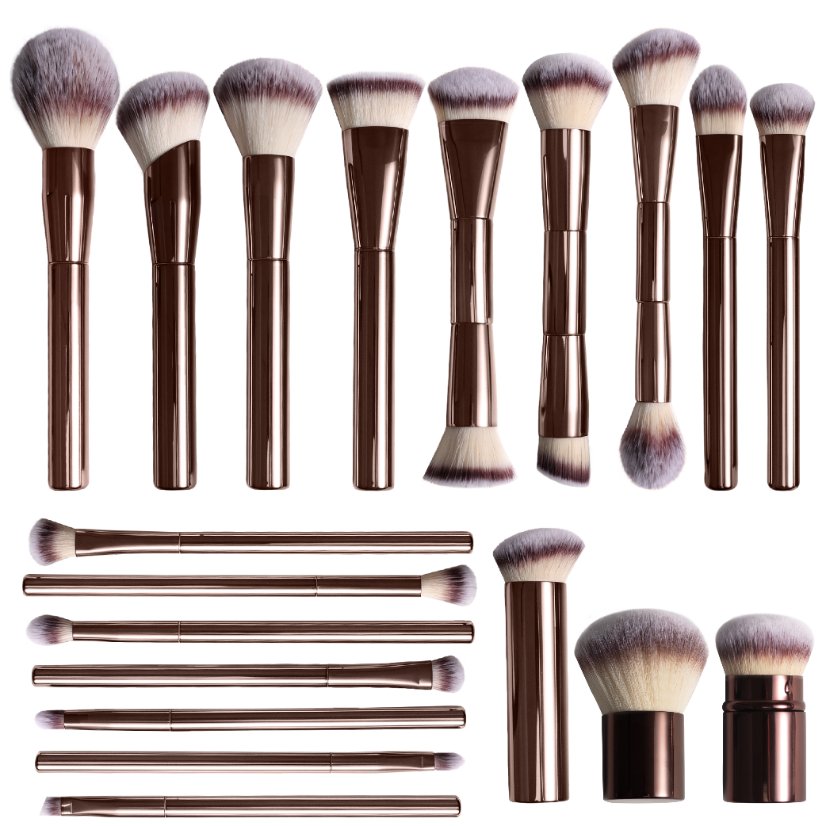
BYM lists a 19-piece makeup brush set with brown-finish handles and several brush shapes. Treat the listing name as the product reference, then ask for the exact offered contents. Do not reconstruct the final order solely by counting visible brush heads across several gallery photographs.
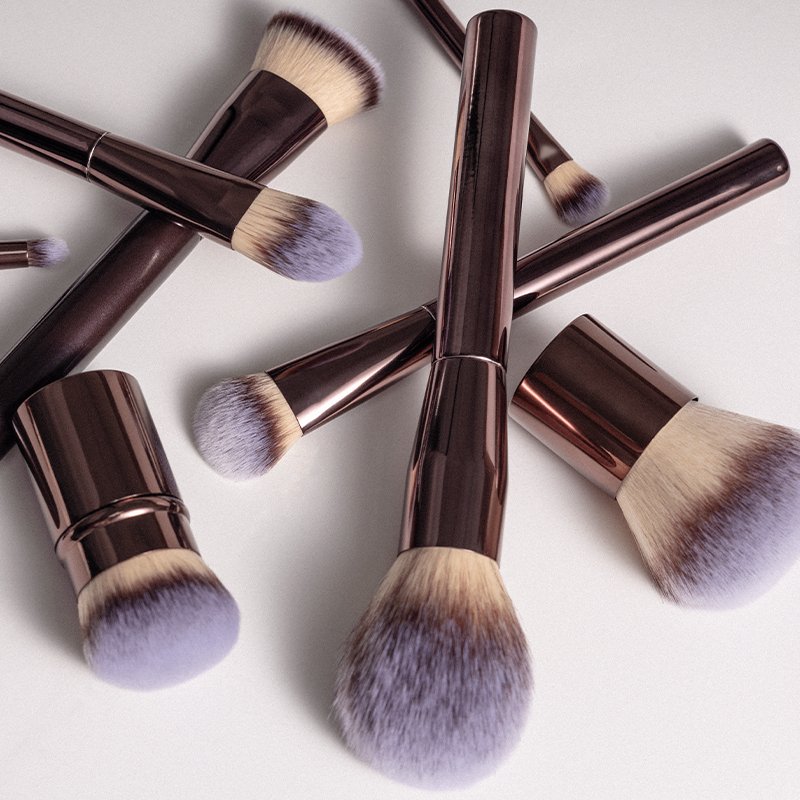
A gallery can show the same tools in different arrangements or include close views of individual heads. Give the chosen assortment a buyer item code and retain an overview image alongside its written list. This identifies which complete set is being discussed without turning every object in every photograph into an additional supplied item.
- Physical tool number and quantity
- Single- or double-ended configuration
- Accessory and protector entries
- Pack arrangement and label revision
Give physical tools and working ends different fields
Number each complete physical tool on an illustrated sheet. Where a tool has two working ends, record both under that tool number. This keeps the receiving count separate from the number of application surfaces and avoids a piece-count disagreement caused by two people counting different things.
Use practical identity fields: handle reference, end shape, whether the tool is single- or double-ended, and quantity in one set. Ask the supplier to confirm the proposed count convention. If a quoted total includes a case or another accessory, make that entry explicit instead of assuming every counted piece is a brush.
| Count field | What it identifies | Approval record |
|---|---|---|
| Physical tools | Complete handles supplied in one set | Numbered contents sheet |
| Working ends | Application ends on each identified tool | End descriptions under the tool number |
| Accessories | Case, sleeve or other confirmed component | Separate included-parts entries |
Map the contents to the supplied pack
Ask how the assortment will be arranged in the offered selling pack. An individual sleeve, head protector or divider may affect both the contents check and the visible presentation. Record which protective components are supplied and how they relate to each tool, rather than leaving the packer to infer them from a styled catalogue image.
If the buyer needs a particular presentation order, mark the positions on the approved packing reference. Identify similar-looking tools by their item numbers so they can be distinguished after packing. Keep the contents sheet and the arrangement sheet linked to the same set revision; otherwise an updated assortment can retain an obsolete packing diagram.
Approve label wording against the contents list
The selling-pack label should describe the agreed set rather than a marketing interpretation of its photographs. Check the displayed piece count against the supplier-confirmed inventory convention. If the buyer also uses a tool count and a working-end count internally, keep the terms distinct so the outward label does not create a different expectation.
Confirm the product description, buyer code and any required barcode with the artwork proof. Existing catalogue text is not an automatic approval of every statement for a new label. Any material or other claim that the buyer intends to print should be checked against the confirmed specification and evidence for the ordered version.

Carry the set revision through repeat orders
Review a complete packed sample against the numbered contents sheet. Record missing, additional or substituted tools by item number and resolve the differences before accepting the set revision. An attractive display sample and a complete saleable set answer different review questions; both the presentation and the actual contents need a clear reference.
For a reorder, cite the same set revision only if its tools and supplied accessories remain the same. A change to one brush shape or a move from a single-ended to a double-ended tool should update the inventory. Receiving staff can then identify the delivered configuration without relying on the original product name alone.
Frequently Asked Questions
Does a double-ended brush count as two tools?
Use an agreed convention. It is one physical tool with two working ends; the supplier and buyer should confirm how the selling-pack piece count relates to those separate records.
Can several gallery photographs be added together?
No. They may show the same assortment from different angles. Start from a supplier-confirmed contents list and use images to identify its entries rather than adding every visible object.
Should a case be included in the brush count?
If it contributes to an advertised piece count, state that explicitly. Keep the accessory entry separate from the physical brush inventory so the complete set remains easy to check.
What changes require a new set revision?
Changes to tool quantity, end configuration, brush identity, accessories or packing arrangement should be recorded. Link the current inventory to the current label and sample reference.
Review BYM products and the brush-set selection article for broader range planning. Send the numbered contents sheet and packing questions through BYM contact. Related sourcing topics are in the BYM blog.